The Art of Budget Photography: Crafting Masterpieces Without Breaking the Bank
In the enchanting world of photography, there exists a common misconception that quality images demand expensive gear. While it’s true that professional-grade equipment can elevate your craft, you don’t need to empty your bank account to capture stunning photographs. Let’s embark on a journey to explore budget-friendly photography equipment and techniques that will empower you to create masterpieces without burning a hole in your wallet.
Firstly, let’s talk cameras. While high-end DSLRs and mirrorless cameras dominate the market, they are not the only tools capable of producing beautiful images. Consider the trusty smartphone, often overlooked in the photography world. Modern smartphones are equipped with advanced lenses and sensors that rival some mid-range cameras. Utilize the power of smartphone photography by exploring manual settings apps that allow you to adjust exposure, ISO, and focus, giving you more creative control.
If you are inclined towards a more traditional approach, entry-level DSLRs and mirrorless cameras are excellent choices. Brands like Canon, Nikon, and Sony offer affordable models that deliver exceptional image quality. Look for second-hand options or previous models, which can significantly reduce costs while still providing impressive performance. Remember, a camera is only as good as the photographer wielding it.
Now, let’s shift our focus to lenses. Prime lenses, often available at reasonable prices, are a great addition to any photographer’s arsenal. With wider apertures, they excel in low-light conditions and produce beautiful bokeh effects. Consider a nifty fifty—a 50mm lens with an f/1.8 aperture—a versatile and budget-friendly choice that enhances portrait, landscape, and street photography.
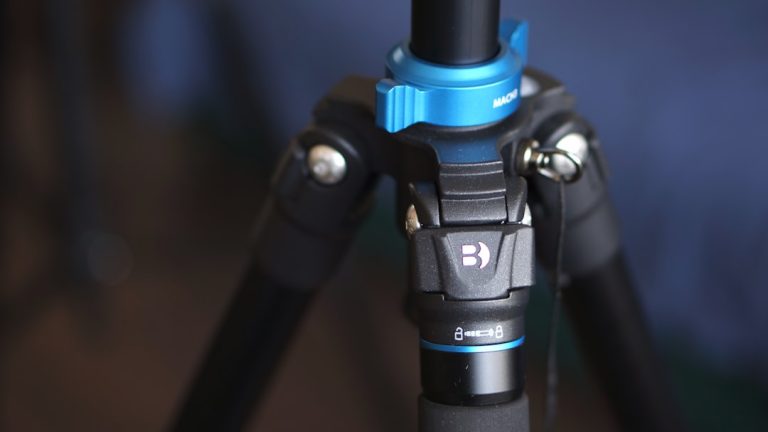
Tripods, though seemingly mundane, are essential for capturing sharp images and long-exposure shots. Invest in a sturdy, lightweight tripod that suits your needs without costing a fortune. Alternatively, get creative with household items to stabilize your camera, such as a stack of books or a beanbag.
Lighting can transform an ordinary photograph into an extraordinary one. Instead of splurging on expensive studio lights, harness natural light to your advantage. Golden hour, the period shortly after sunrise or before sunset, bathes subjects in warm, soft light that flatters every scene. Additionally, reflectors, often made from affordable materials like white cardboard or aluminum foil, can help bounce light onto your subject, reducing harsh shadows.
Editing is where the magic happens, and fortunately, it doesn’t have to be costly. Free and open-source software like GIMP or mobile apps like Snapseed offer powerful editing tools that rival premium alternatives. Experiment with color grading, cropping, and adjusting exposure to bring your vision to life.
Lastly, immerse yourself in the vibrant photography community. Online forums, social media groups, and local photography clubs are treasure troves of knowledge and inspiration. Connect with fellow enthusiasts, share experiences, and learn from each other. The most valuable equipment a photographer can possess is not tangible—it’s the knowledge, creativity, and passion that fuel your artistic journey.
In conclusion, capturing breathtaking images doesn’t necessitate a hefty investment. Embrace the beauty of budget photography by making the most of accessible technology, resourcefulness, and a dash of creativity. Remember, the heart of photography lies in storytelling, and with the right mindset, you can create captivating narratives with even the most modest equipment. So grab your camera, venture into the world, and let your unique perspective shine through your lens.